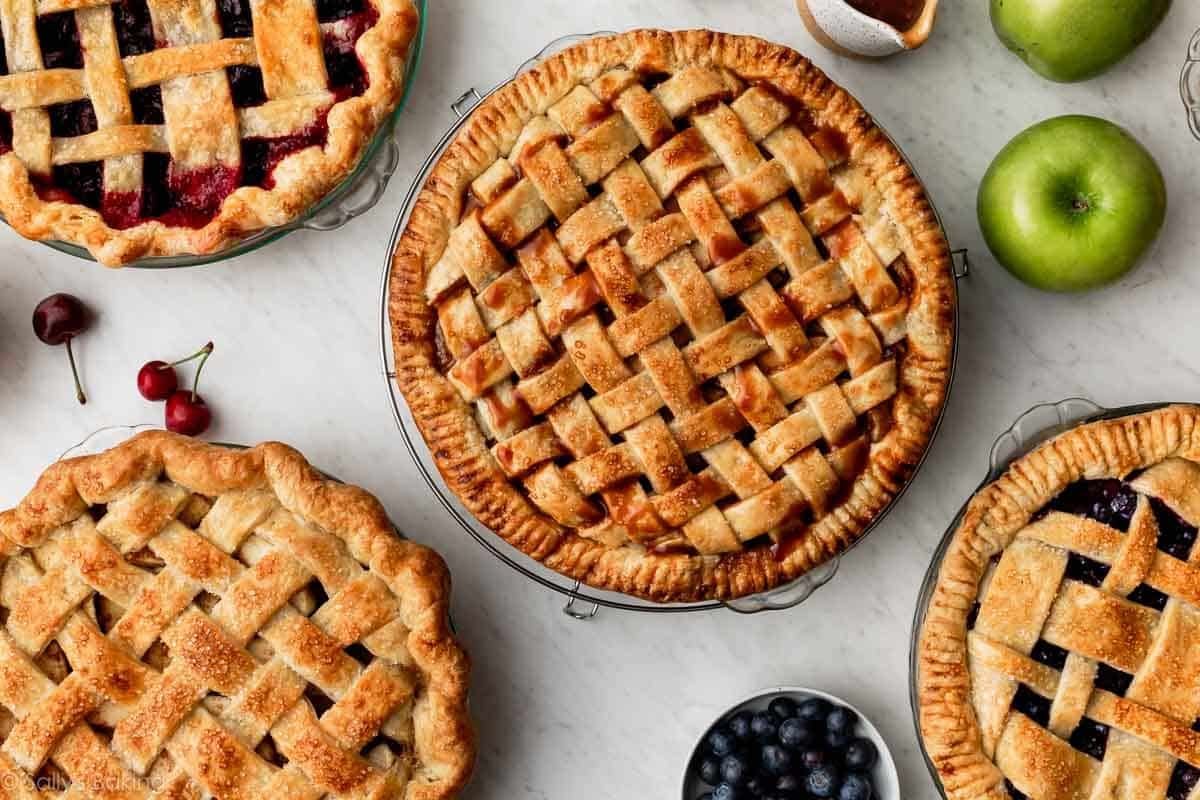
Mastering the Art of the Lattice Pie Crust: Advanced Tips and Troubleshooting
You've mastered the basics of creating a beautiful lattice pie crust, perhaps by following guides like how to make a lattice pie crust - Article 1 or delving into more techniques discussed in how to make a lattice pie crust - Article 2. Now, it's time to elevate your skills, troubleshoot common issues, and explore advanced techniques to truly perfect this iconic pastry topping. Crafting an impeccable lattice isn't just about weaving strips; it's about understanding dough mechanics, mastering precision, and finessing the final presentation. Let's dive deeper into how to make a lattice pie crust that doesn't just taste amazing but looks like a work of art.
Advanced Weaving Techniques for a Striking Lattice
While the classic over-under weave is elegant, there are several ways to add complexity and visual interest to your lattice. These techniques require a bit more patience but yield stunning results that will impress any diner.
- The Double Weave: Instead of single strips, use pairs of strips placed close together. Weave these pairs over and under each other. This creates a denser, more robust lattice with a luxurious feel. When learning how to make a lattice pie crust with this method, ensure your strips are uniformly cut to maintain consistency.
- Diagonal Lattice: Instead of weaving strips straight across and down, position your base strips diagonally across the pie. Then, weave the perpendicular strips diagonally in the opposite direction. This creates a diamond pattern that is both modern and visually striking.
- Braided Strips: For a truly elaborate design, braid three thin strips of dough together to create a thicker, textured strand. Use these braided strands as some or all of your lattice strips. This adds an incredible dimension and sophistication, though it's more time-consuming. Remember to keep the braids tight to prevent unraveling during baking.
- Decorative Cutouts: Beyond weaving, you can incorporate small cutouts (using mini cookie cutters like stars, leaves, or hearts) and place them strategically in the gaps of your lattice or along the border. This is a fantastic way to personalize your pie.
Pro Tip: When experimenting with advanced patterns, always work with well-chilled dough. Warm dough is much harder to manipulate precisely, leading to tearing and misshapen strips. A marble pastry board or a silicone mat kept cool can be a baker's best friend here.
Troubleshooting Common Lattice Pie Crust Challenges
Even seasoned bakers encounter issues. Knowing how to prevent and fix common problems is key to consistently beautiful results when you learn how to make a lattice pie crust.
Cracking and Breaking Strips
This is perhaps the most frustrating issue. Several factors can contribute:
- Dough Temperature: If your dough is too cold and stiff, it will crack easily when bent. Let it warm up slightly at room temperature for 5-10 minutes before handling, but don't let it get too warm.
- Dough Dryness: Overworking the dough can develop too much gluten, making it tough and prone to cracking. A dry dough will also lack pliability. Ensure your dough has enough fat and moisture. If it feels too dry, you can sometimes gently mist it with a little water, but be careful not to make it sticky.
- Strip Thickness: Strips that are too thin are inherently fragile. Aim for a thickness of about 1/8 inch for sturdy strips that are still delicate enough to bake beautifully.
Shrinking Crust During Baking
A lattice that pulls away from the edges of the pie can be disappointing.
- Overworked Dough: As mentioned, overworking develops gluten, which contracts when heated. Handle your dough as little as possible.
- Insufficient Chilling: Chilling your assembled pie for at least 30 minutes (or even longer, up to an hour) before baking allows the gluten to relax and the fat to firm up, minimizing shrinkage.
- Inadequate Crimping: Ensure your edges are securely crimped or sealed to the bottom crust. A good seal helps anchor the lattice in place.
Uneven Browning or Burning Edges
You want a golden-brown lattice, not a burnt one.
- Oven Hot Spots: Rotate your pie halfway through baking to ensure even heat distribution.
- High Sugar Content in Dough: Some dough recipes contain more sugar, which can accelerate browning. If using such a dough, consider a slightly lower oven temperature.
- Shielding Edges: If the edges are browning too quickly, use aluminum foil to create a protective ring around the rim of your pie. Place it on when the edges reach your desired color.
The Finishing Touches: Elevating Your Lattice Pie Crust
Once your lattice is woven, a few simple steps can transform it from good to absolutely gorgeous.
- Egg Washes:
- Simple Egg Wash (for shine): Whisk 1 egg with 1 tablespoon of water or milk. Brush lightly over the entire lattice for a golden, glossy finish.
- Egg Yolk Wash (for deep golden color): Whisk 1 egg yolk with 1 tablespoon of cream. This creates a richer, deeper golden hue.
- Egg White Wash (for crispness): Whisk 1 egg white until slightly frothy. Brush over the lattice for a crispier, lighter finish.
- Sugar Sprinkles:
- Granulated Sugar: A light dusting adds a subtle sparkle and a hint of sweetness.
- Demerara or Turbinado Sugar: These coarser sugars add a beautiful crunch and a more pronounced sparkle, perfect for fruit pies.
- Cinnamon Sugar: For apple or pumpkin pies, a sprinkle of cinnamon sugar over the egg wash adds flavor and a lovely reddish-brown tint.
- Decorative Crimping: Even if your lattice doesn't extend to the very edge, the border of your pie is an important element. Use your thumb and forefinger to crimp the edges, or press with a fork for a simple, rustic look. For a more elaborate finish, use pie crust cutters designed to create fluted or decorative edges.
Remember that the appearance of your lattice is greatly enhanced by contrasting colors and textures. A shiny egg wash with sparkling sugar creates visual interest that makes your pie stand out.
Conclusion
Mastering how to make a lattice pie crust is a journey of practice, patience, and attention to detail. From exploring advanced weaving techniques to effectively troubleshooting common issues and applying perfect finishing touches, each step contributes to a stunning final product. Don't be discouraged by imperfections; every pie is a learning opportunity. With these advanced tips, you're well-equipped to create pies that are not only delicious but also true culinary masterpieces. Happy baking!
